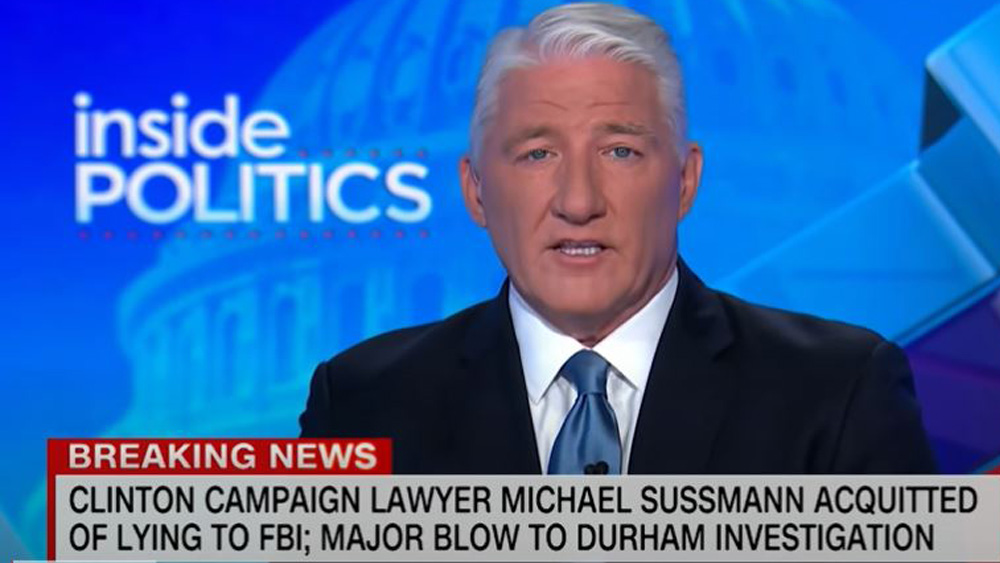
CNN Breaking News: Navigating the Intersection of Politics, Crime & Public Figures
In an age of relentless information flow, staying abreast of the latest developments can feel like a full-time job.
CNN Breaking News serves as a critical conduit, delivering immediate updates on stories that shape our world, from the halls of power to the streets where justice is sought. This article dives into some of the most compelling narratives recently highlighted by CNN, examining pivotal moments in politics, gripping crime sagas, and the passing of influential public figures, while also scrutinizing the broader media landscape.
Unpacking the Latest Political Earthquakes
The political arena is a constant source of breaking news, with decisions made at the highest levels often having immediate and far-reaching consequences. Recent alerts from
CNN Breaking News have underscored this dynamism, particularly concerning former President Donald Trump’s actions and ongoing legislative battles.
One such significant announcement involved President Trump’s declaration to place the Washington, DC, police department “under direct federal control,” alongside the deployment of the National Guard. This move, echoing historical precedents of federal intervention in local affairs, raises profound questions about the balance of power between federal and municipal authorities, particularly concerning law enforcement and public order. Such a directive would bypass local governance, indicating a potentially dramatic shift in the management of the nation's capital during times of perceived unrest or crisis. The implications for civil liberties, local autonomy, and the role of the military in domestic policing are considerable, making this a story with ongoing resonance.
Further illustrating the legislative landscape, the Senate recently passed a significant domestic policy bill championed by Trump. While the specific details of this "mega bill" remain broad in the initial alerts, its passage through the Senate signals a major legislative victory. However, the caveat that "there's still one hurdle left" suggests it faces further challenges, likely in the House of Representatives or through presidential assent, keeping political observers on edge regarding its ultimate fate and impact on American society.
Beyond these immediate political events, the broader narrative surrounding the "deep state" and media reporting adds another layer of complexity.
CNN's reporting on potential staff cuts at the CIA during a Trump administration, and the subsequent warning from current and former intelligence officials about financially vulnerable or resentful former employees potentially selling secrets to foreign powers, sparked considerable debate. This narrative, often framed by critics as the "propaganda press" attempting to impede Trump’s efforts to "cull corruption," highlights the delicate dance between national security, political motives, and media interpretation. It forces a critical examination of how news is presented, whether as a legitimate warning or a veiled threat, and how it shapes public perception of government institutions and their employees.
Major Crime & Justice Developments Shaking the Nation
Crime and justice stories often dominate
CNN Breaking News, capturing public attention with their human drama and legal intricacies. Recent alerts highlight cases that have gripped the nation, from tragic shootings to high-profile legal verdicts.
The horrific killings of four University of Idaho students in November 2022 sent shockwaves across the country. Updates from CNN detailed the legal process, including Bryan Kohberger entering a plea deal that removed the possibility of the death penalty. Subsequently, the man who admitted to these heinous acts was sentenced by a judge. These developments underscore the painstaking work of law enforcement and the justice system in bringing closure, however painful, to communities devastated by violence. Understanding the nuances of plea deals – why they are offered, accepted, and their implications for victims' families – is crucial for a comprehensive understanding of the legal landscape.
Another tragic event reported was the fatal shooting of conservative political activist Charlie Kirk. Initially, alerts noted his death after being shot at an event, with the FBI quickly asking for the public’s help in identifying a person of interest. The involvement of a prominent political figure and the immediate call for public assistance highlight the seriousness of the crime and the swift response required to maintain public safety and bring perpetrators to justice. Such incidents invariably spark conversations about political polarization, public safety at events, and the challenges of identifying suspects in fast-moving investigations.
In a different vein, the verdict for Sean "Diddy" Combs was described as "mixed." While the specific charges or outcomes are not detailed in the alerts, a "mixed verdict" in a high-profile case often implies a combination of convictions, acquittals, or hung juries on different counts. This outcome can lead to intense public discussion about the evidence presented, the legal strategies employed, and the broader implications for the individuals involved and the legal precedent set.
Remembering Icons: Public Figures Who Shaped Our World
The passing of public figures, whether from politics, entertainment, or sports, often prompts moments of reflection and remembrance, serving as poignant breaking news items that unite people in shared grief and appreciation.
CNN Breaking News has recently marked the deaths of several such influential individuals.
Former Vice-President Dick Cheney passed away at the age of 84. A towering figure in American politics, Cheney served as Vice President under George W. Bush, as well as Secretary of Defense and White House Chief of Staff, among other roles. His career spanned decades, marked by significant policy decisions and shaping the course of both domestic and foreign affairs. His passing prompts a deep dive into his complex legacy, his impact on conservative politics, and the indelible mark he left on the nation.
The world of entertainment also mourned the loss of wrestling legend Hulk Hogan, who died at 71. "Hulkamania" transcended professional wrestling, making Hogan a cultural icon whose catchphrases and larger-than-life persona captivated millions. His death reminds us of the profound impact entertainers can have, not just in their craft, but in shaping popular culture and inspiring generations.
Adding to the list of cultural losses, the legendary Black Sabbath singer, often heralded as the "godfather of heavy metal," also passed away. While not explicitly named in the alert, this reference points to a figure whose influence on music is immeasurable. The passing of such a foundational artist prompts reflections on their genre-defining work, their enduring influence on subsequent generations of musicians, and their unique place in music history. These alerts, though brief, invite us to remember and appreciate the diverse contributions of these figures to our collective history and culture.
Beyond the Headlines: Analyzing Media Narratives and Trust
The very act of reporting
CNN Breaking News is not merely a passive relay of facts; it involves framing, emphasis, and interpretation that can profoundly influence public understanding. The "Deep State" narrative, as highlighted by a particular critique of CNN, offers a compelling case study in media analysis. When CNN reported that potential mass firings at the CIA could lead to disgruntled former employees selling national secrets, critics questioned the network's motives and the inherent contradictions within the warning.
This situation presents a critical dilemma: is CNN reporting a genuine concern for national security, or is it amplifying a narrative that serves a particular political agenda, perhaps to protect the "deep state" from reform? The Federalist, for instance, criticized CNN for making it sound as if "valued, model intelligence employees will get the axe — and that those same employees have loose lips and are ripe for the picking." This points to a crucial aspect of media literacy: discerning between objective reporting and potential advocacy.
Practical Tips for Navigating News:
- Diversify Your Sources: Don't rely on a single news outlet. Compare reporting from multiple, reputable sources with different editorial slants.
- Fact-Check Aggressively: Use independent fact-checking organizations to verify claims, especially those that seem sensational or emotionally charged.
- Consider the Source's Agenda: Every news organization operates within a certain framework. Understanding a source's potential biases, political leanings, or commercial interests can provide valuable context.
- Look for Original Reporting: Prioritize news that involves direct interviews, investigations, and primary documents over opinion pieces or second-hand accounts.
- Analyze Language and Tone: Pay attention to the words chosen, the tone adopted, and the emphasis given to certain aspects of a story. Do they seem neutral, or do they subtly push a particular viewpoint?
By applying these critical thinking skills, consumers of
CNN Breaking News and other outlets can move beyond simply consuming headlines to truly understanding the complex interplay of events and their interpretations.
Staying Informed in a Fast-Paced World
From the intricate dance of political power plays to the stark realities of crime and the poignant farewells to cultural icons,
CNN Breaking News consistently delivers a snapshot of a world in motion. The stories discussed here—Trump's federal mandates, the Idaho murder sentencing, the tragic shooting of Charlie Kirk, the mixed verdict for Sean "Diddy" Combs, and the passing of luminaries like Dick Cheney, Hulk Hogan, and the Black Sabbath singer—each contribute to the complex tapestry of our current events. As we navigate this constant influx of information, it becomes increasingly vital to not just absorb the news, but to critically engage with it. By understanding the context, questioning narratives, and seeking diverse perspectives, we can ensure that we are not just informed, but truly understanding the world around us.